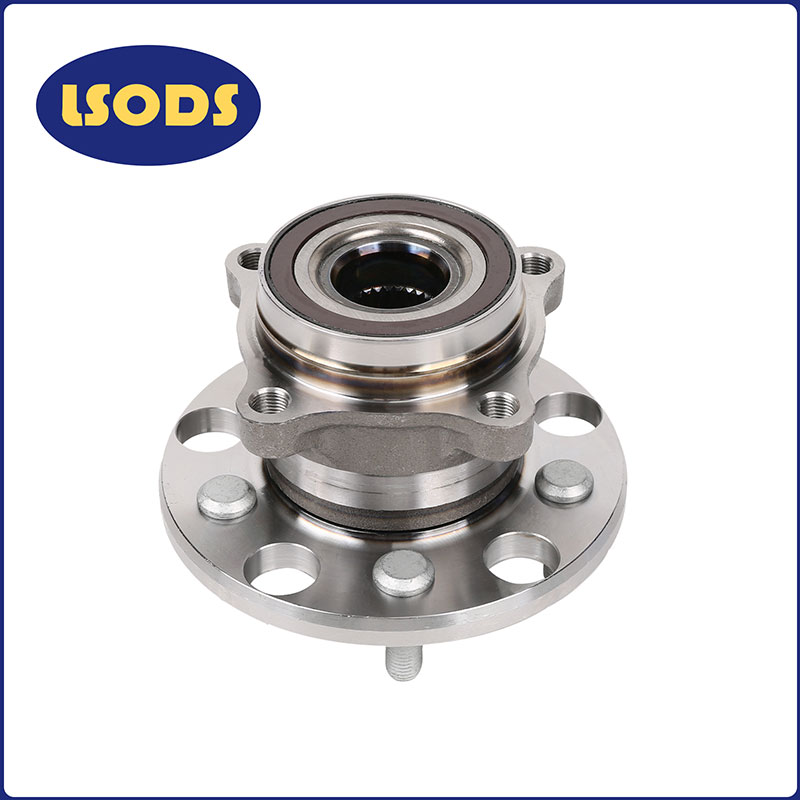
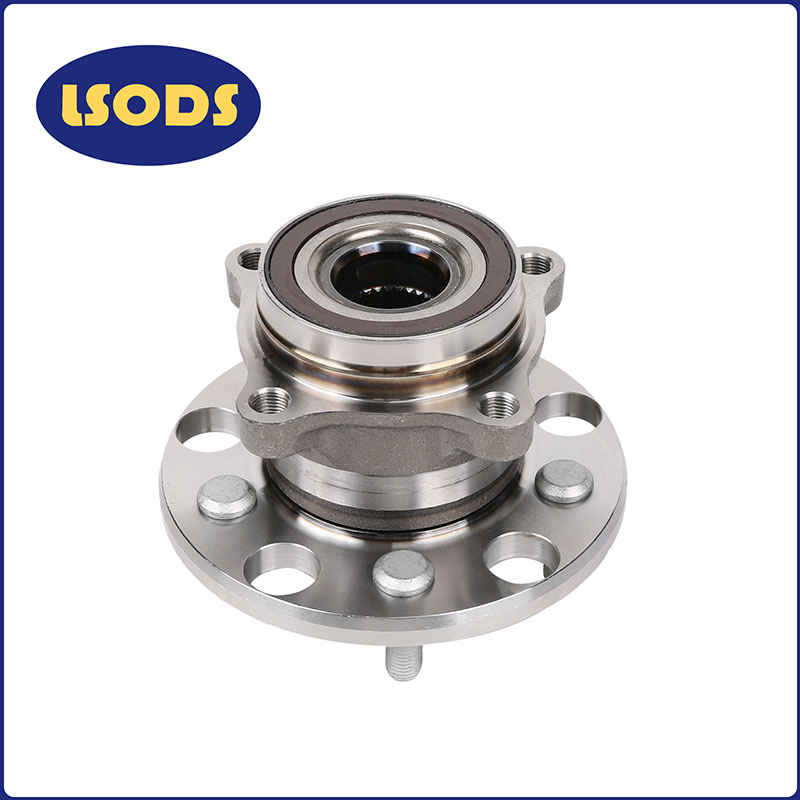
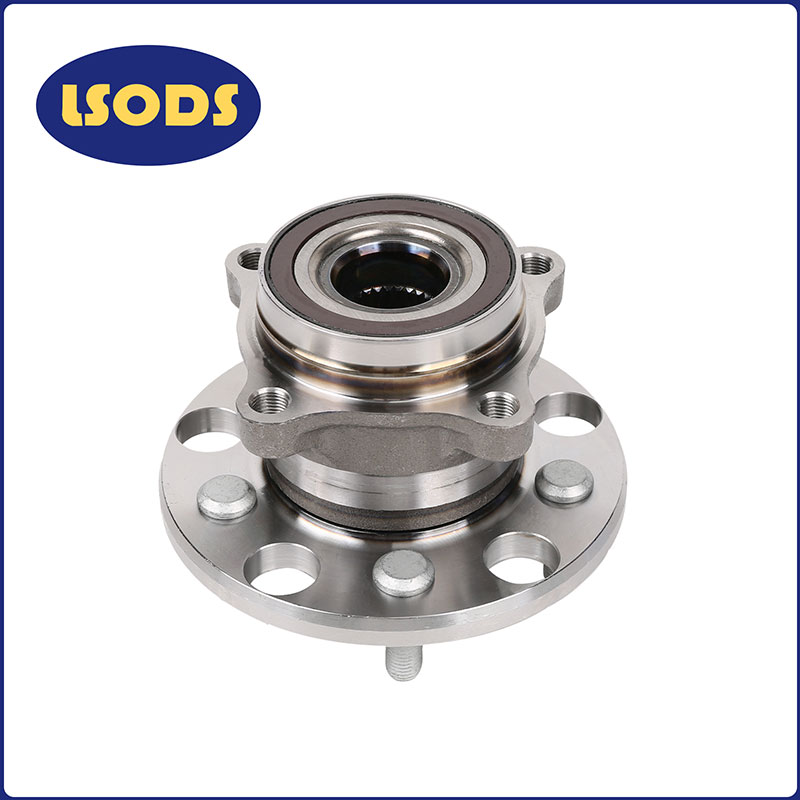
Wheel hub bearings are components used on automobile axles to bear load and provide guidance for the rotation of the wheel hub. They bear both axial and radial loads and are an important part of the vehicle's load-bearing and rotation.
In fact, there are many interfaces on our cars, and there are many bearings at the interfaces. These places are not noticed by everyone. But they play a very important role in our lives. Once something breaks down, the entire car will not be in good condition. When they start to fail, car wheel bearings often make a whining sound that you can feel through the steering wheel or the car's chassis. It is a very bad thing to encounter noise from car wheel hub bearings, which makes us need to locate the problem as soon as possible. We together look.
When it comes to vehicle servicing, wheel bearings are often the unsung heroes of the automotive industry. They play a crucial role in keeping your wheels spinning, but many drivers don't even know what they are or what they do. Let's take a closer look.
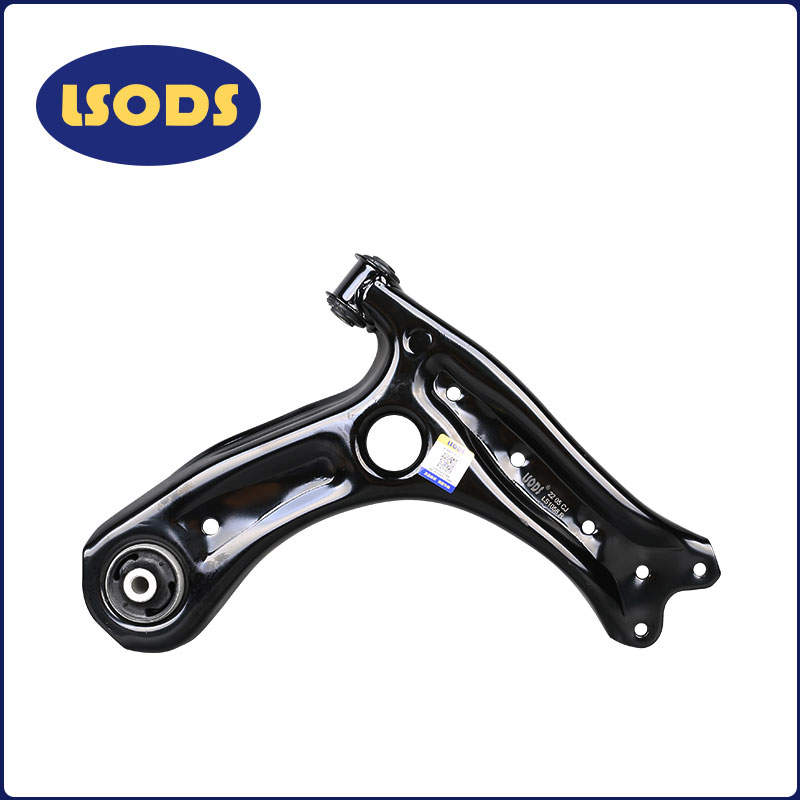
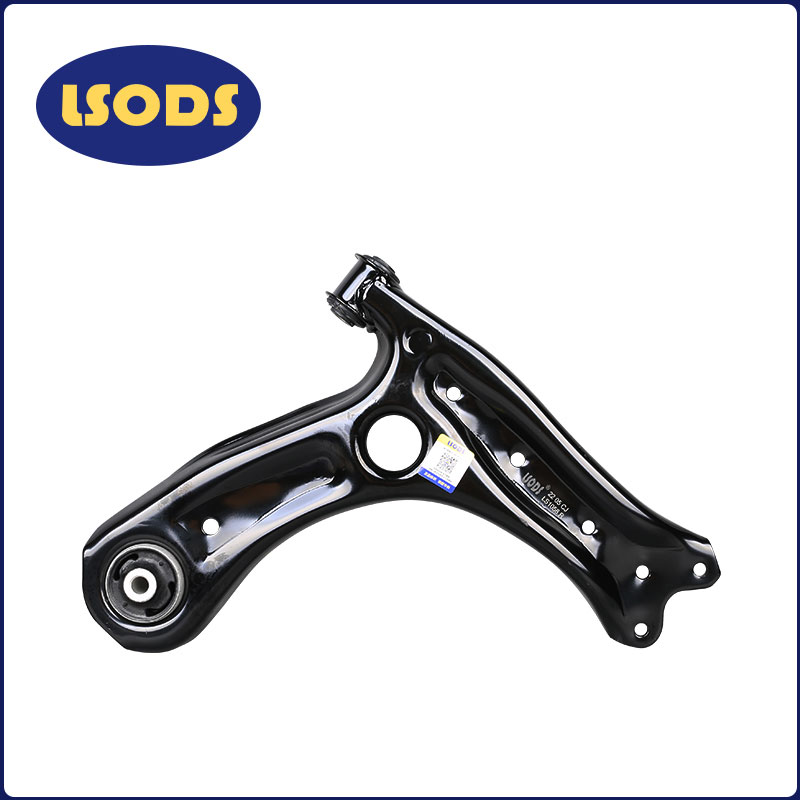
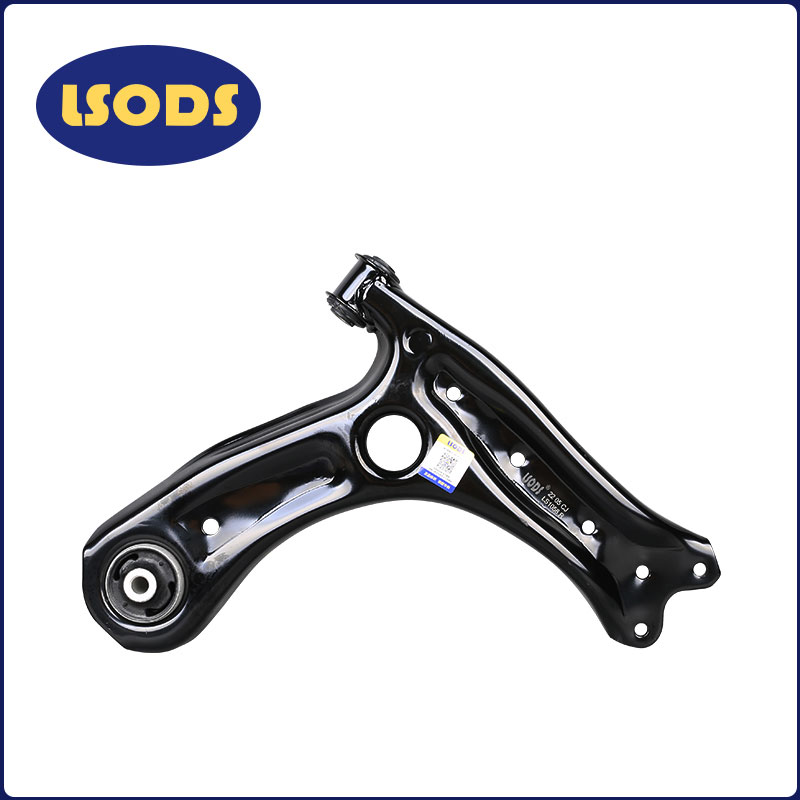
Car control arms are an essential part of a vehicle's suspension system that connects the wheel hub to the frame or body of the car. They play a crucial role in maintaining the vehicle's stability and handling by providing a pivot point for the steering and suspension to operate.
Detecting a faulty control arm or control arm bushing can be crucial for your car's safety and performance. Here are some common signs that may indicate it's time to replace your control arm:
A control arm, also known as an A-arm or wishbone, is a crucial component of a car's suspension system. Its primary function is to connect the vehicle's chassis or body to the wheel hub, allowing for controlled movement and maintaining proper alignment of the wheels. Control arms are typically found in the front suspension of most vehicles and play a vital role in providing stability, handling, and comfort while driving. Here are the key functions and roles of a control arm in a car: